RAPID PROTOTYPING SUPPLIER MATCHING

Find Suppliers for Rapid Prototyping Projects

RapidMfgPro helps buyers compare prototype processes and identify independent suppliers based on geometry, material, functional testing, appearance, quantity, and delivery requirements.

STEP  •  STP  •  SLDPRT  •  IPT  •  PRT  •  SAT

Custom parts made for rapid prototyping
Functional prototype part for product validation

WHAT IS RAPID PROTOTYPING

Turn a Digital Design Into a Testable Part

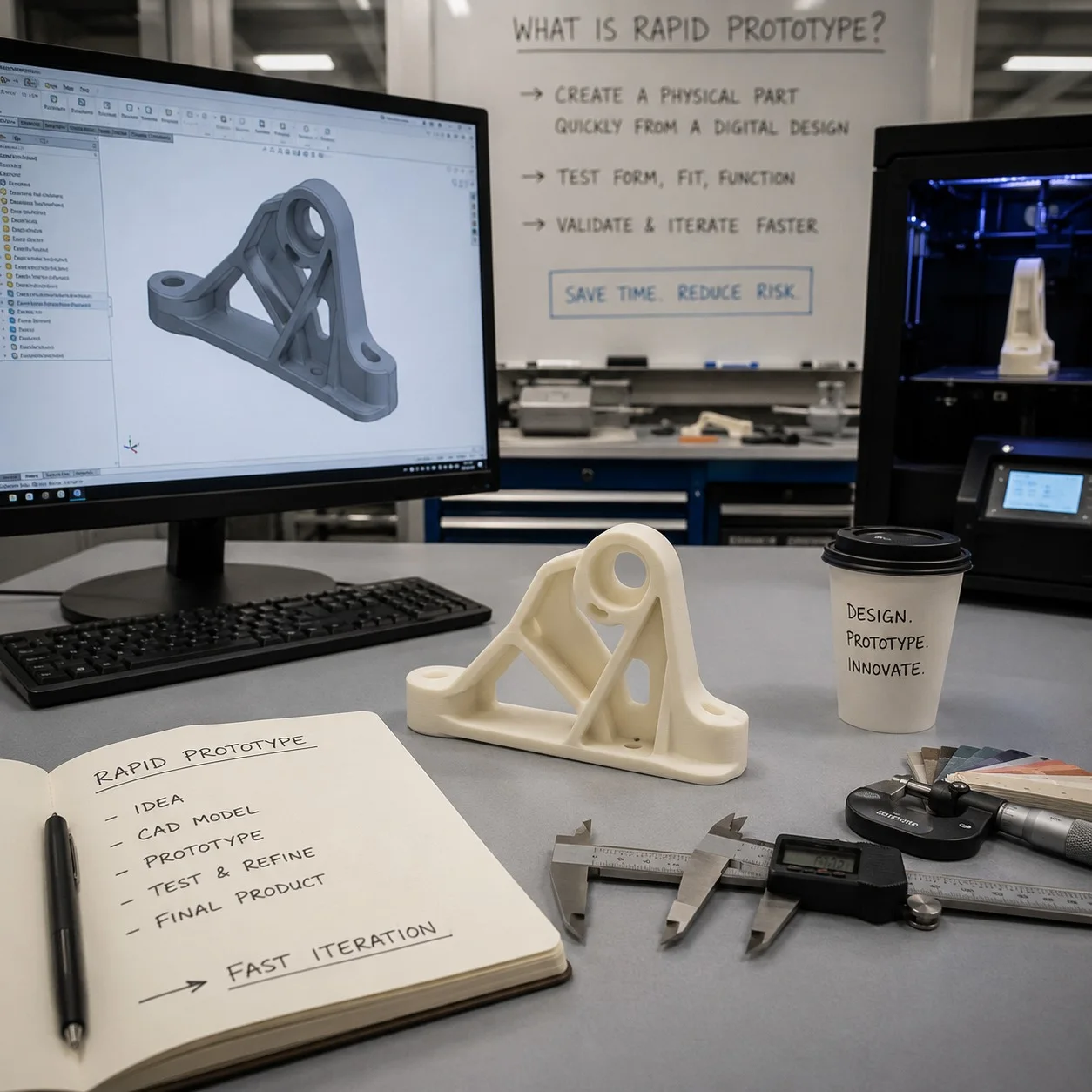
Rapid prototyping is the practical step between a digital design and a production decision. It creates physical parts for fit checks, functional testing, user evaluation, assembly trials, and design verification before larger commitments are made.

Different prototype goals need different manufacturing methods. CNC machining can provide production-like metals and plastics; sheet metal fabrication supports formed structures and enclosures; 3D printing supports complex geometry and fast iteration; vacuum casting and molding-based methods can support small-batch evaluation when appropriate.

RapidMfgPro helps keep the decision process focused by aligning prototype method, material behavior, critical features, and the information you need to carry into the next product stage.

Explore Prototype Processes

RAPID PROTOTYPING PROCESSES

Choose the Right Process for Your Prototype

Rapid prototyping works best when the process matches what the part needs to prove. RapidMfgPro helps buyers compare geometry, material behavior, surface expectations, assembly interfaces, and next-stage requirements before contacting suppliers.

CNC MachiningInjection MoldingSheet Metal Fabrication3D PrintingVacuum Casting

CNC MACHINING

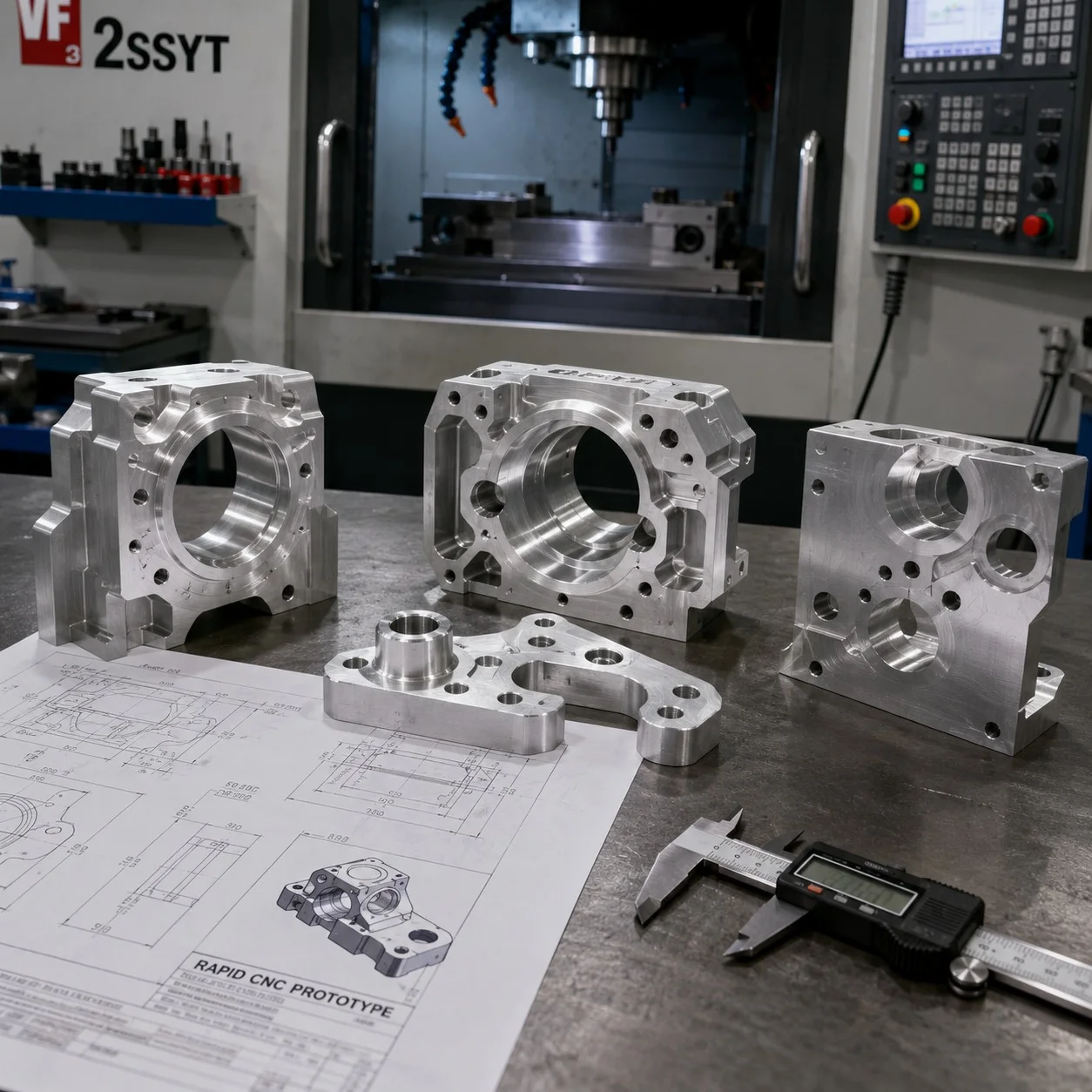
Rapid CNC Prototyping

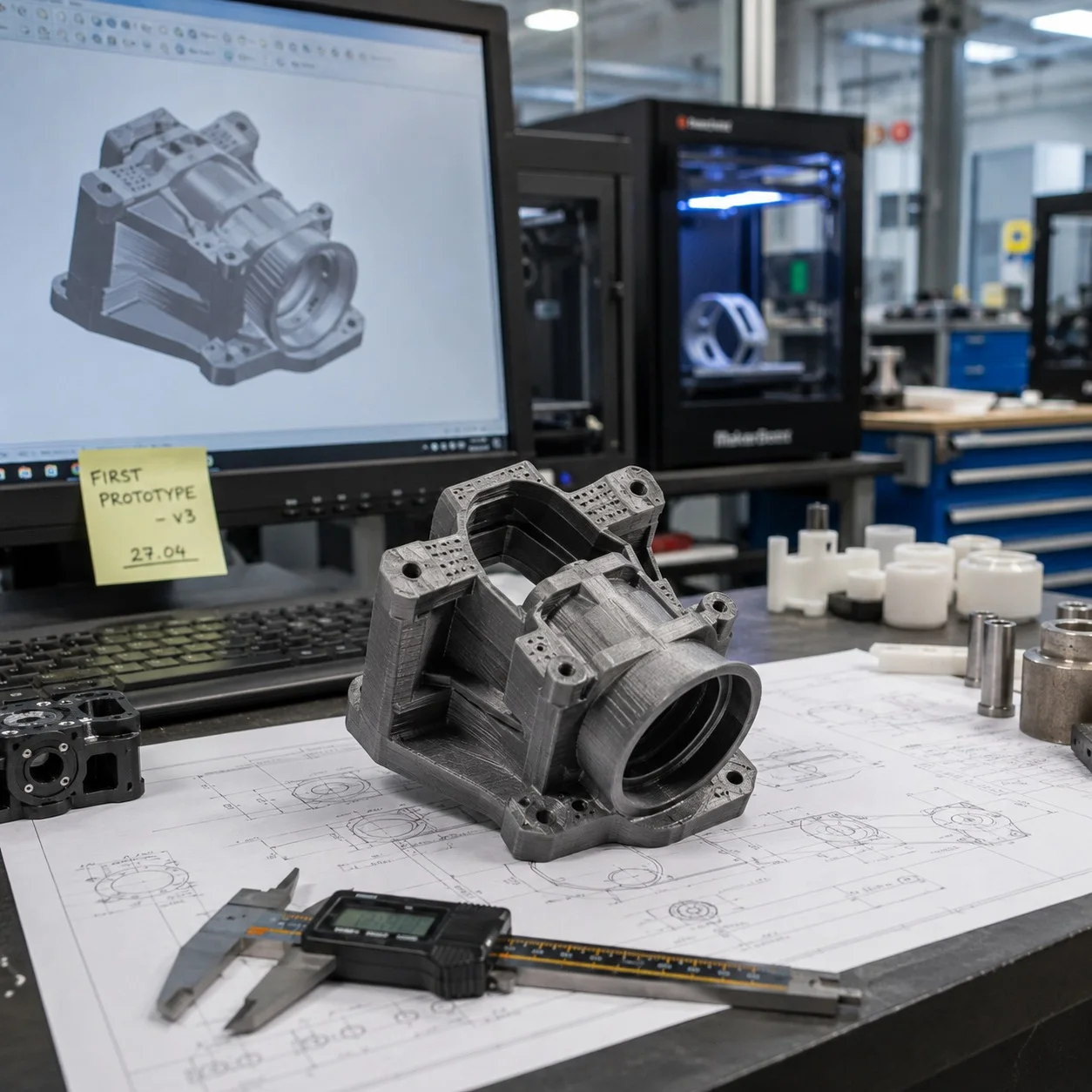
CNC machining is suited to rapid prototypes that require accurate dimensions, durable engineering materials, threads, holes, or interfaces that need to represent the intended production part.

Best for
Functional testing, precise fits, assemblies, and production-like materials
Material options
Aluminum, steel, stainless steel, brass, POM, ABS, PC, PEEK, and more
Selection focus
Critical dimensions, strength, surface needs, and feature accessibility
Discuss CNC Prototyping
CNC machined metal prototype part
Prototype component made through molding or sheet metal fabrication

MOLDING & SHEET METAL

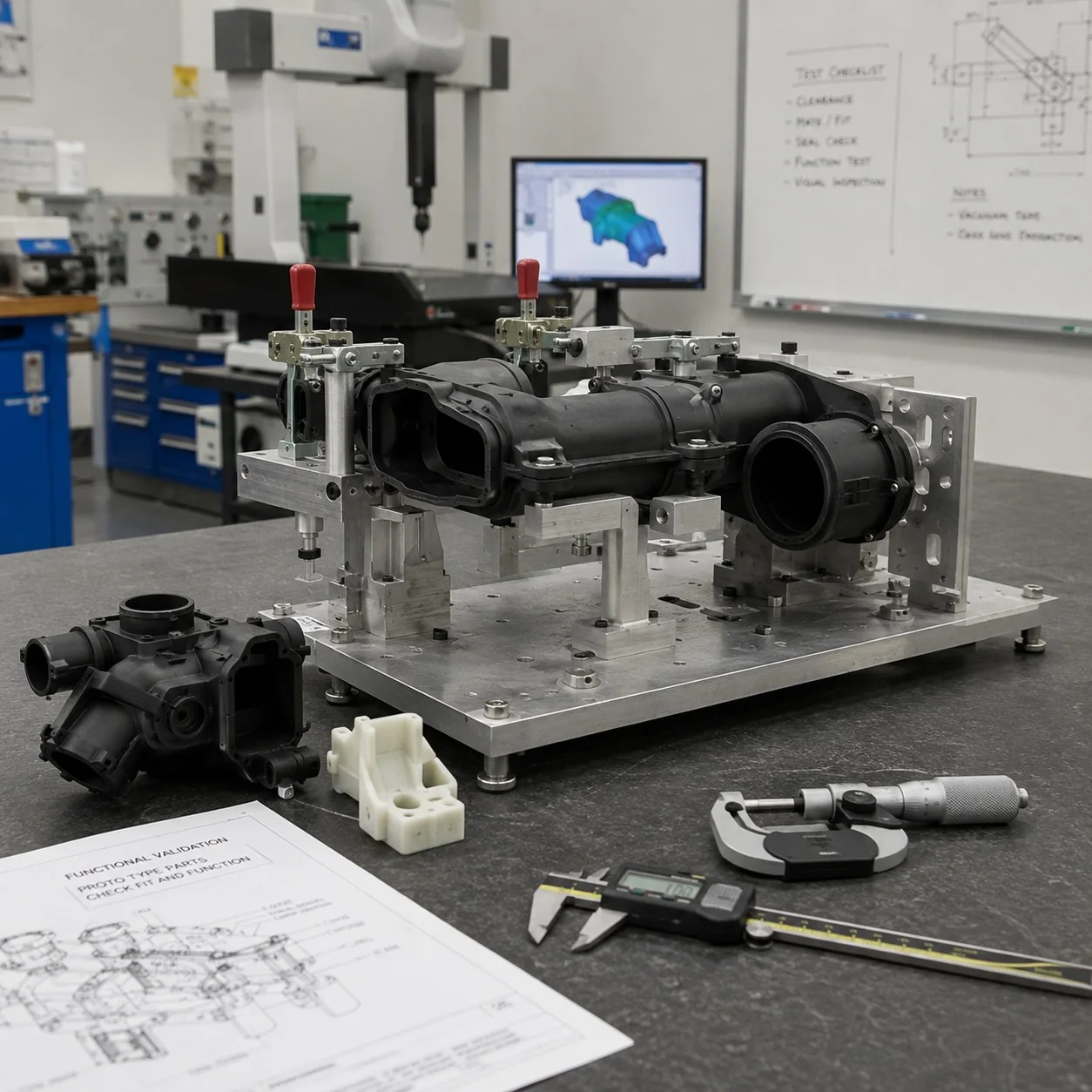
Prototype Parts for Functional Validation

Injection molding and sheet metal fabrication can support prototypes that need formed geometry, enclosure structure, clips, bends, panel features, or material behavior closer to a planned production solution.

Best for
Enclosures, clips, brackets, panels, housings, and assembly validation
Material options
Engineering plastics, aluminum, steel, stainless steel, and more
Selection focus
Part structure, assembly behavior, repeatability, and production intent
Discuss Prototype Fabrication

3D PRINTING & VACUUM CASTING

Rapid Iteration for Complex Designs

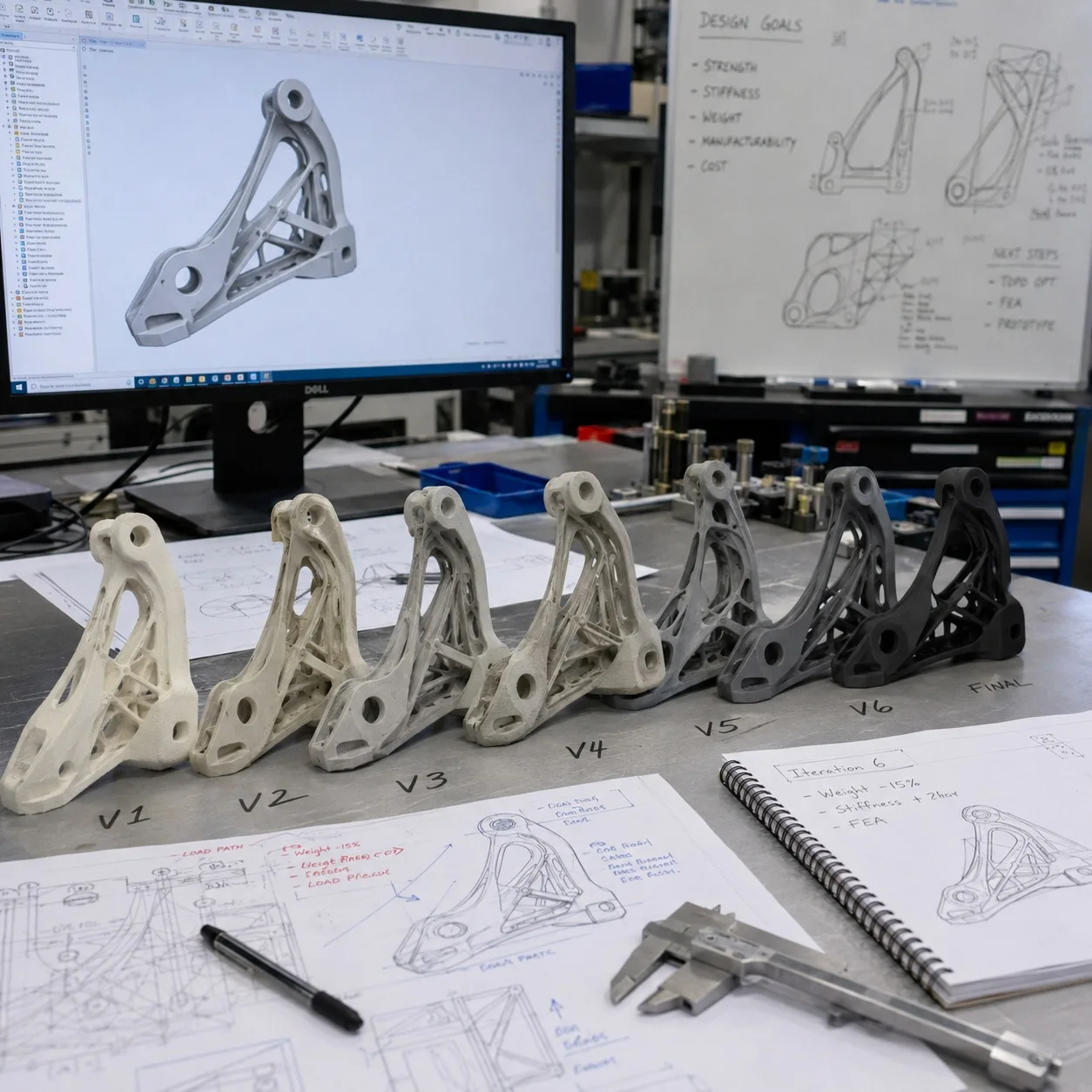
3D printing and vacuum casting are useful when geometry is complex, changes are expected, or a small set of parts is needed for visual review, user testing, demonstrations, or short-run evaluation.

Best for
Complex shapes, low-volume parts, appearance models, and iteration cycles
Material options
Resins, nylon, elastomers, and casting-grade polyurethane materials
Selection focus
Geometry freedom, surface expectations, quantity, and test purpose
Discuss 3D Printing Options
3D printed and cast rapid prototype component

PROCESS SELECTION

Compare Rapid Prototyping Methods

Rapid Prototyping MethodWhere It HelpsWhat to Consider
Rapid CNC MachiningAccurate, functional prototype parts in engineering-grade metals and plastics.Most suitable when material behavior, tolerances, and machined features are central to the test.
Rapid Injection MoldingPrototype parts that need production-relevant polymer behavior or repeatable molded features.Best evaluated once the design is stable enough to justify tooling and parting-line decisions.
Rapid Sheet Metal FabricationFormed enclosures, panels, brackets, chassis, and other sheet-based structures.Bends, welding, hardware, finish requirements, and flat-pattern design affect the route.
Rapid 3D PrintingComplex geometry, early design studies, visual models, and low-volume functional parts.Material properties, surface texture, and dimensional behavior vary by printing technology.
Rapid Vacuum CastingSmall batches of plastic-like parts for appearance, user review, or early market evaluation.Suitable resin choices and expected run quantity should be defined before the process is selected.

HOW RapidMfgPro SUPPORTS SUPPLIER RESEARCH

Rapid Prototyping Support That Keeps Decisions Clear

01

Prototype Method Selection

RapidMfgPro helps buyers identify process options that support the test objective, material requirements, geometry, and prototype quantity.

02

Requirements Kept in Context

Critical features, material choices, tolerance expectations, and design changes can be carried clearly through the prototype stage.

03

A Practical Path to Production

Prototype findings can inform the next manufacturing route, helping teams plan for tooling, repeat production, or a different process when needed.

FROM PROTOTYPE TO NEXT STEP

Rapid Prototyping That Supports Product Development

RapidMfgPro helps buyers use prototype results as input for the next decision: refine the design, confirm a material or process, validate an assembly, or prepare a production RFQ.

01

Build & Test

Create physical prototype parts for fit checks, functionality, user evaluation, assembly trials, and early product feedback.

02

Refine & Confirm

Use prototype findings to clarify geometry, materials, interfaces, and other requirements before the next project milestone.

03

Prepare the Next Route

Move forward with a clearer plan for additional prototypes, low-volume manufacturing, tooling, or repeat production support.

READY TO PROTOTYPE

Send Your CAD File for Rapid Prototyping Review

Discuss Your Prototype