01
3-Axis CNC Milling
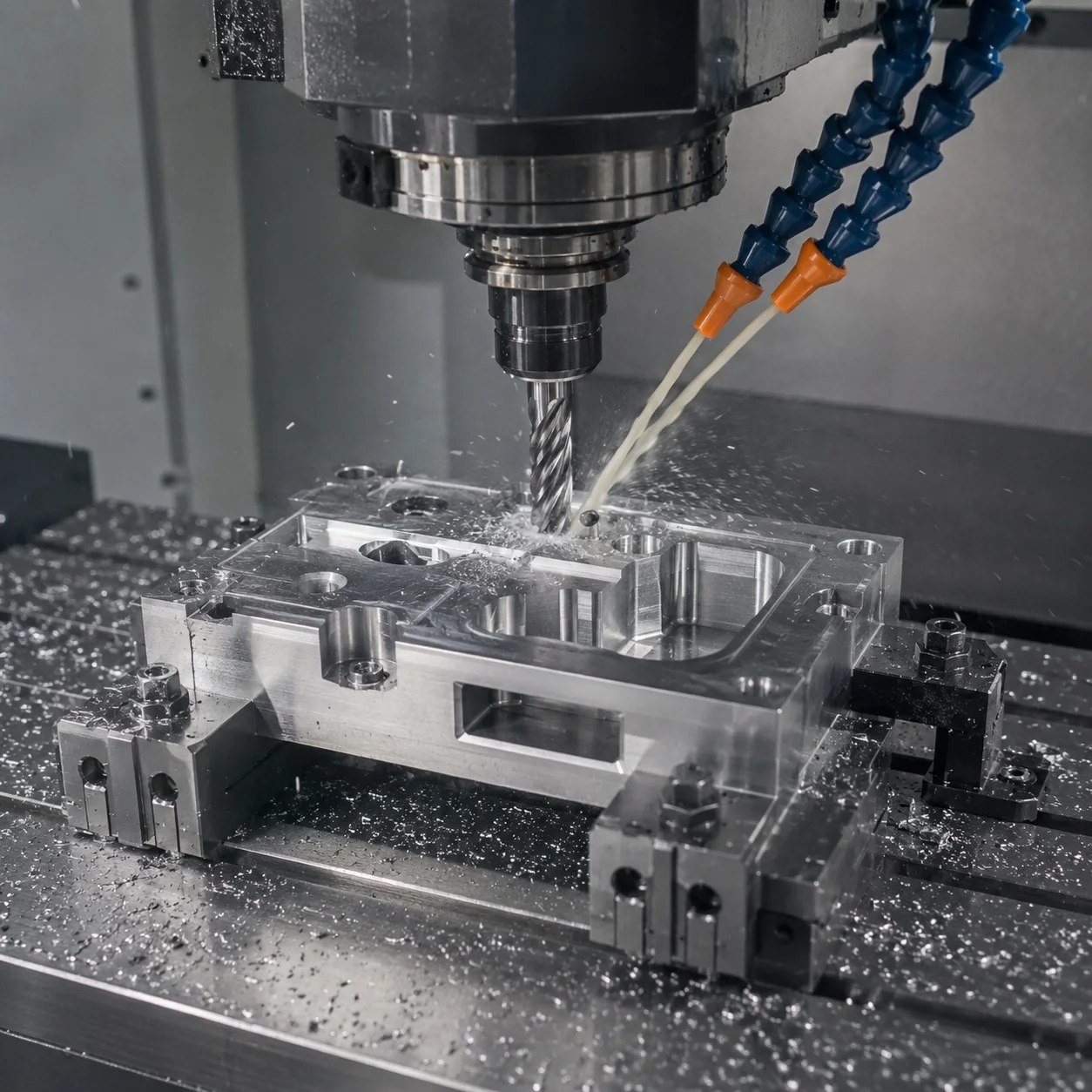
Best for flat and prismatic parts machined from the top and side faces. Suitable for brackets, plates, housings, pockets, holes, threads, and standard production features.
Explore 3-Axis MillingCNC MILLING SUPPLIER MATCHING
Use RapidMfgPro to compare milling routes and connect with independent suppliers whose equipment and experience may fit your part geometry, material, tolerance, volume, and finishing needs.
CNC MILLING CAPABILITIES
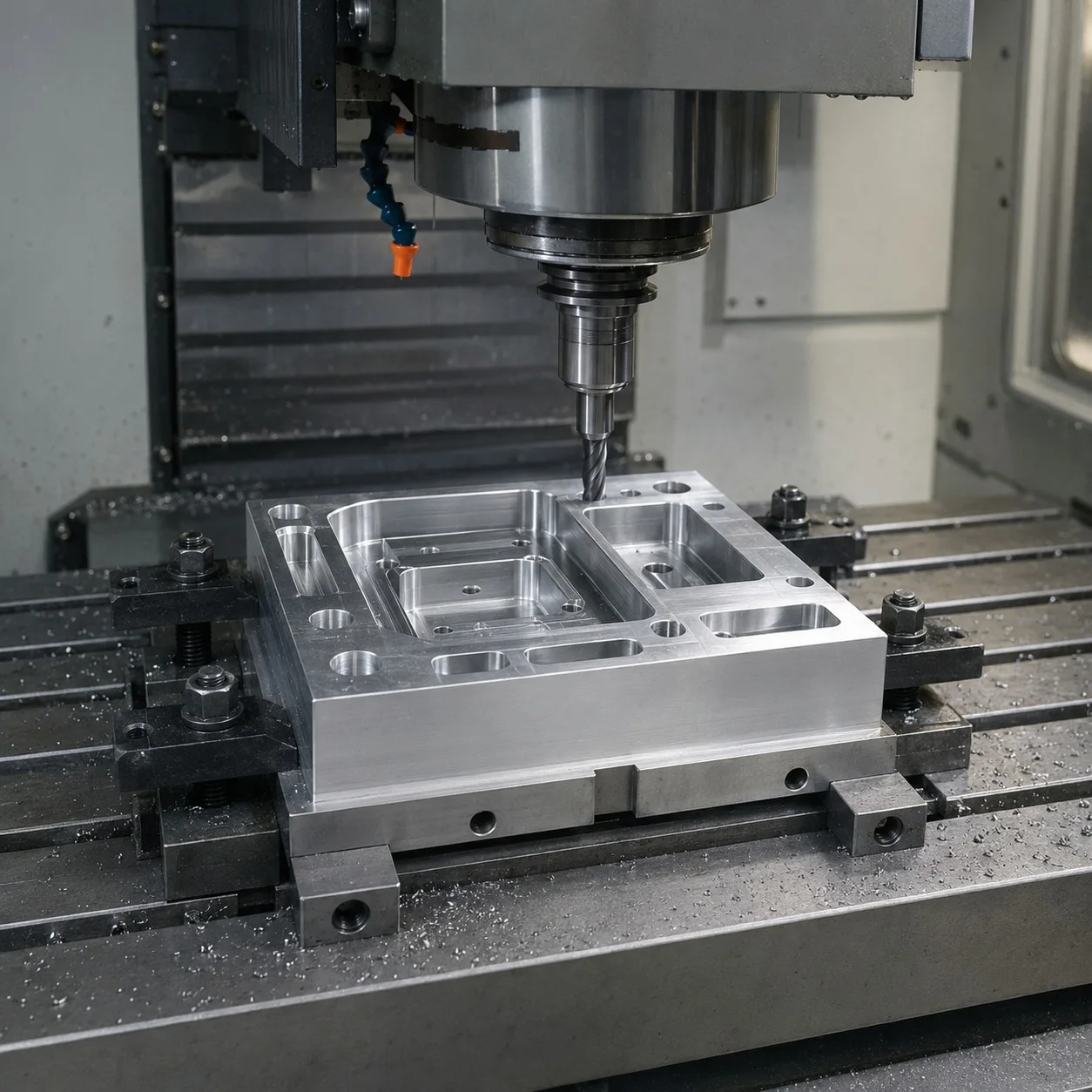
Choose 3-, 4-, or 5-axis CNC milling based on your part geometry, feature access, material, tolerance requirements, and production needs. RapidMfgPro helps identify the most practical milling approach for prototypes, low-volume builds, and repeat production.
Best for flat and prismatic parts machined from the top and side faces. Suitable for brackets, plates, housings, pockets, holes, threads, and standard production features.
Explore 3-Axis Milling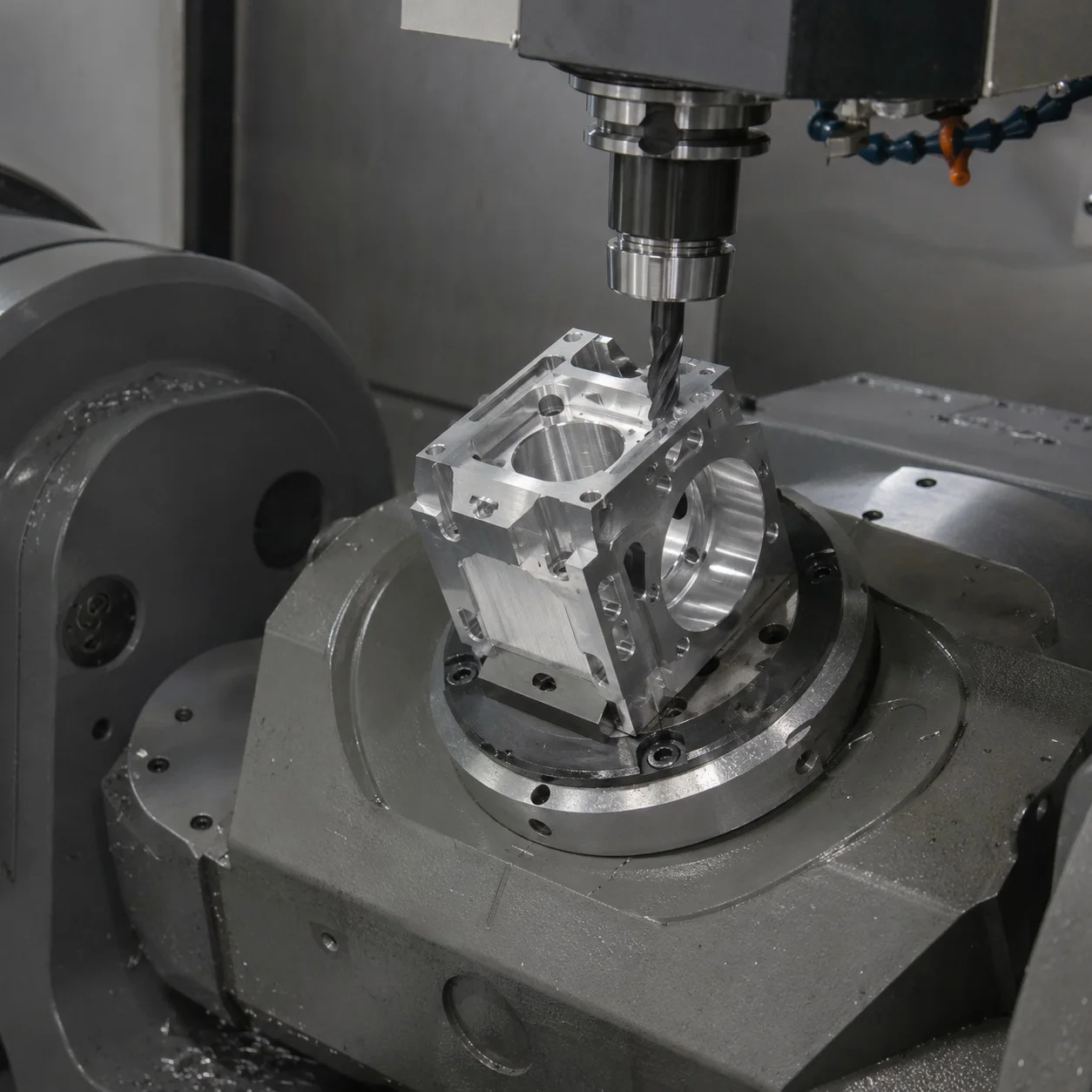
Adds rotary indexing for features around a part or across multiple sides. Useful for radial holes, cylindrical features, indexed profiles, and parts that benefit from fewer repositioning steps.
Explore 4-Axis Milling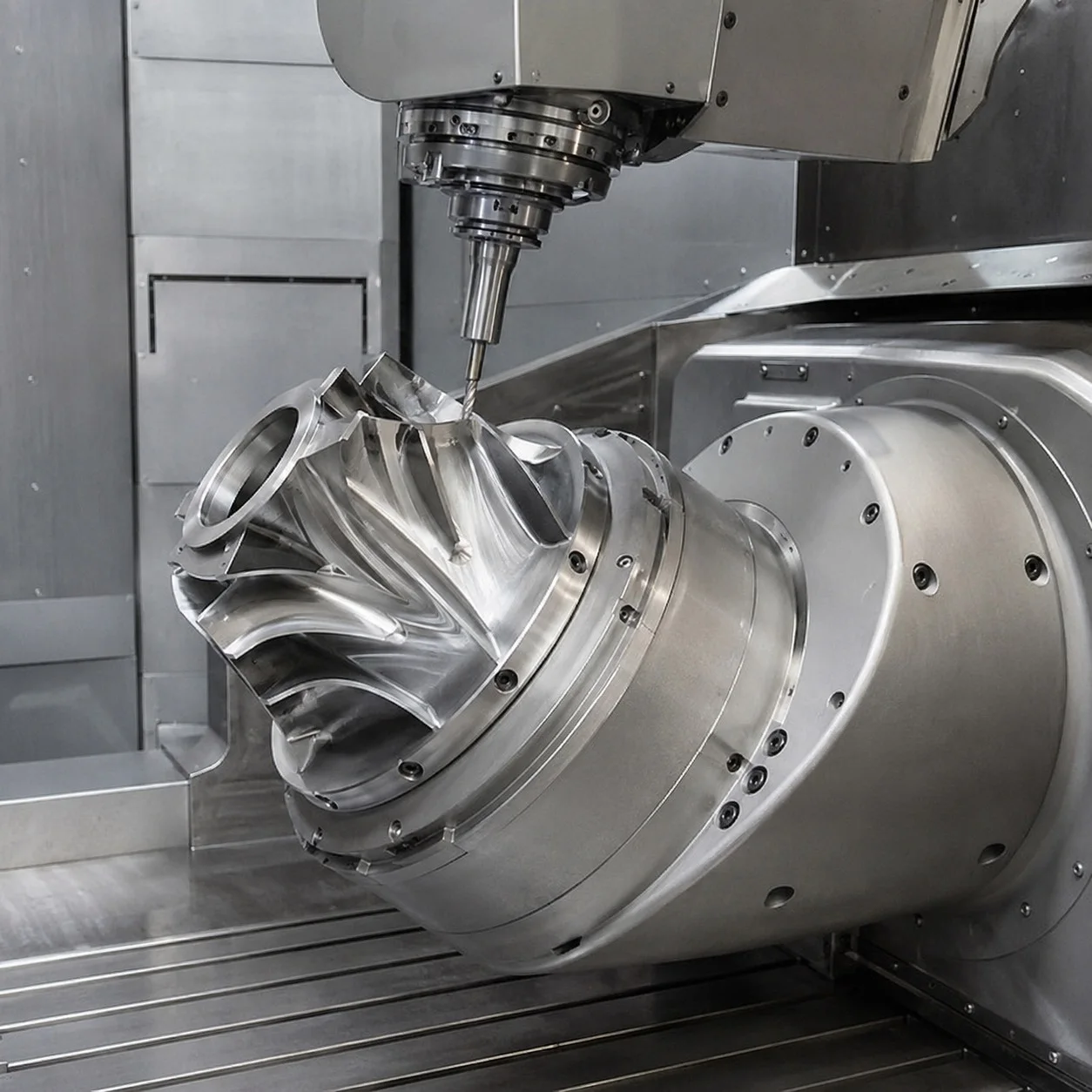
Supports tool access from multiple angles for complex contours, deep cavities, compound angles, and multi-face geometry. A practical option when setup reduction and feature relationships are critical.
Explore 5-Axis MillingRAPIDDIRECT CNC MACHINING SOLUTIONS
PROTOTYPING
Produce CNC milled parts for fit checks, functional testing, assembly trials, and design refinement before moving into repeat production.
Start a Prototype ProjectREPEAT PRODUCTION
Move from approved prototype parts to scheduled production runs with consistent material, machining, and inspection requirements carried forward.
Plan Production RunsCompare metals and engineering plastics by strength, weight, machinability, corrosion resistance, temperature performance, and electrical requirements. Select the material that best fits your part function, geometry, and production needs.
METAL MATERIAL
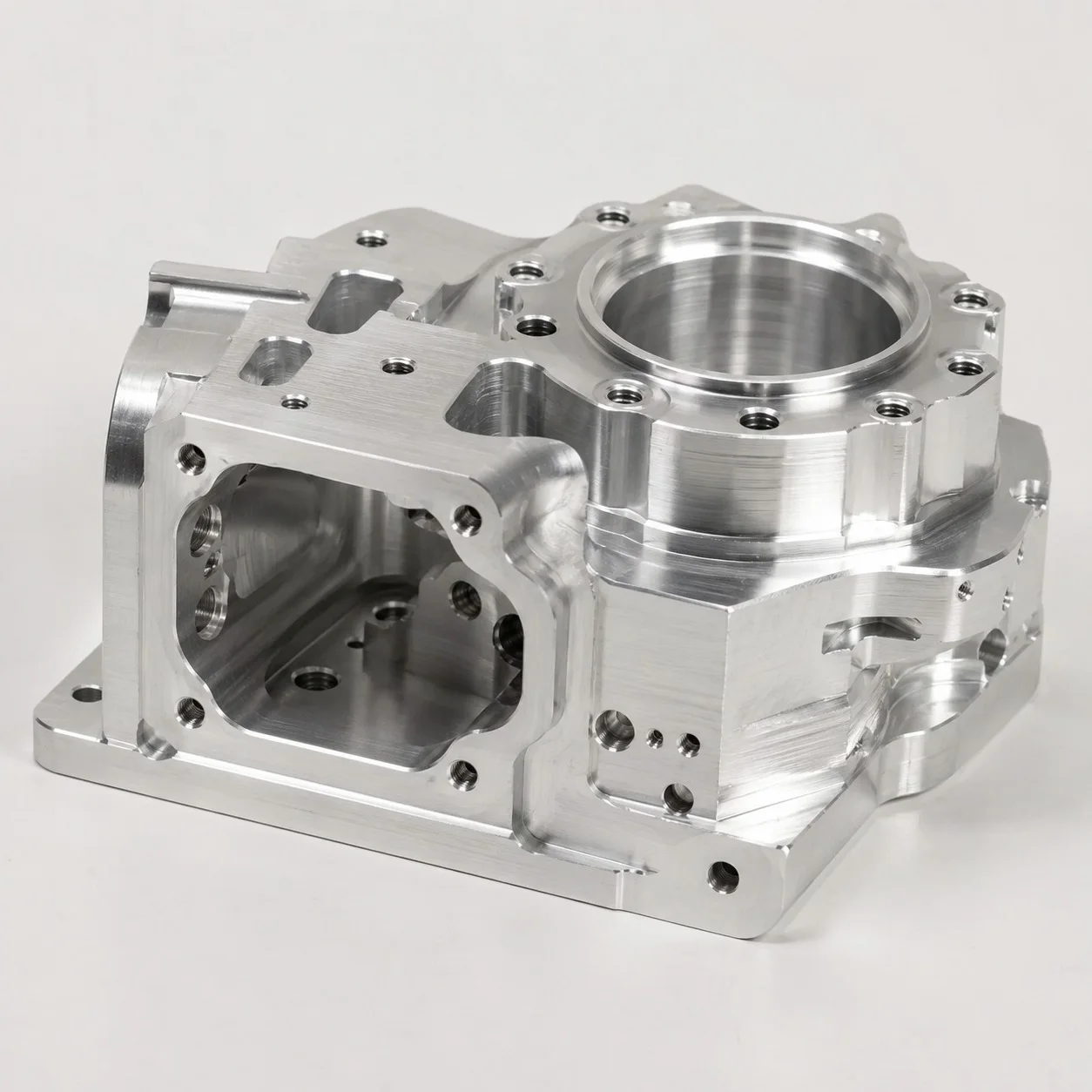
Aluminum offers an excellent balance of low weight, corrosion resistance, and machinability. It is widely used for CNC milled prototypes and production parts across industrial, automation, electronics, and lightweight structural applications.
PRECISION AND REPEATABILITY
CNC milling tolerances define how precisely a part dimension or controlled feature must be machined. Final capability depends on geometry, material, inspection strategy, and production quantity.
| Capability |
3
3-Axis
|
4
4-Axis
|
5
5-Axis
|
|---|---|---|---|
| Maximum Part Size (mm) | 1000 × 500 × 500 mm | 1000 × 500 × 500 mm | 4000 × 1500 × 600 mm |
| Minimum Part Size (mm) | 5 × 5 × 5 mm | 5 × 5 × 5 mm | 5 × 5 × 5 mm |
| General Tolerance (mm) | ±0.1 mm | ±0.1 mm | ±0.05 mm |
| Lead Time (Typical) | Simple parts from 1 business day |
Most projects from 5 business days |
Most projects from 5 business days |
ⓘ Tolerances may vary based on part geometry, material, and measurement method.
DESIGN FOR MANUFACTURABILITY
Keep internal radii at least one-third of cavity depth. Larger radii improve tool access, reduce machining time, and avoid unnecessary small-tool operations.
Allow clearance below blind threads instead of running threads to the bottom of the hole. This gives the tap room to exit and helps maintain thread quality.
Thin walls can flex during machining. As a general guideline, use at least 0.8 mm for metal parts and 1.5 mm for plastic parts unless the feature has been specifically reviewed.
For standard machining, keep hole depth below approximately four times the hole diameter where possible. Deeper holes may need special tooling or additional process planning.
Guidelines are general recommendations. Final design decisions should consider part geometry, material, function, and application requirements.
PROJECT-LED CNC MILLING
Reliable CNC milling depends on more than machine capability. RapidMfgPro keeps drawing requirements, manufacturing decisions, and project communication aligned from quotation through delivery.
01
Critical dimensions, material callouts, thread details, drawing revisions, and delivery priorities stay visible throughout project planning.
02
RapidMfgPro helps buyers assess machining access, feature complexity, setup needs, and production volume before comparing CNC milling suppliers.
03
Keep questions, revisions, and production follow-up organized through one organized supplier-matching request instead of managing separate manufacturing conversations.
HOW IT WORKS
RapidMfgPro helps buyers turn part requirements into a clearer CNC milling RFQ by organizing geometry, critical features, material selection, machining access, inspection, and delivery questions.